
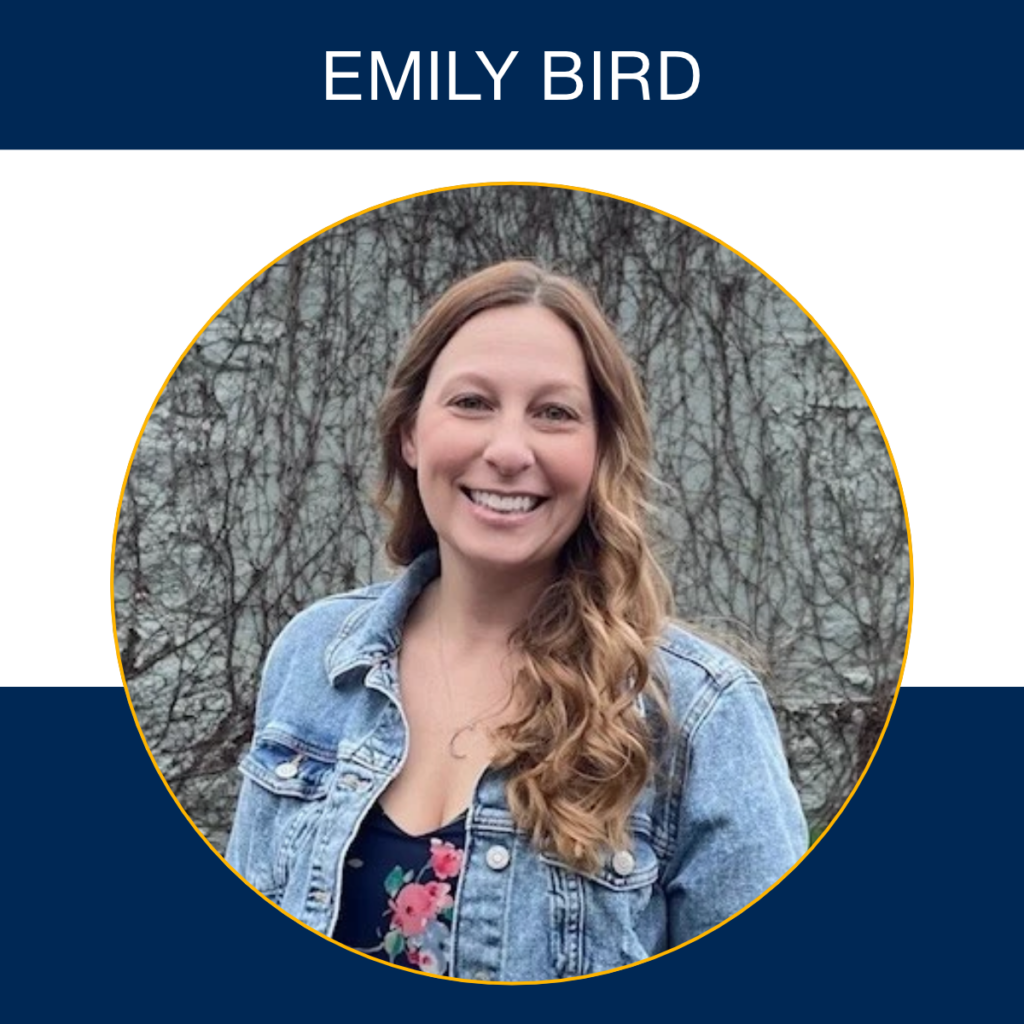
 NACDD is excited to celebrate Emily Bird, whose work in New Hampshire focuses on improving access to chronic disease prevention programs and strengthening connections between communities and care. In her role at the New Hampshire Department of Health and Human Services, she works alongside partners statewide to help more people benefit from evidence-based programs.
What inspired you to work in this area of public health/chronic disease prevention?
With a background in kinesiology, I started my career working one-on-one with people to help them improve their health. Seeing how much evidence-based chronic disease prevention programs could truly change someone’s life inspired me to make an even bigger impact. I realized I wanted to work in public health, where I could help expand access to these programs and improve health at the community level. It’s incredibly rewarding to know that the work we do can help create healthier lives for so many people.
What is one accomplishment or initiative you’re especially proud of in your current role?
I’m especially proud of the work we’ve done to grow one of the largest Umbrella Hub Organizations in partnership with The Granite YMCA for the National Diabetes Prevention Program. It’s been rewarding to work alongside dedicated partners to expand access to these evidence-based programs, especially in New Hampshire’s rural communities where resources can be limited.
How does your work make a difference for people or communities you serve?
My work is focused on helping more people access the programs and resources they need to live healthier lives. Whether it’s expanding access to Arthritis-Appropriate Evidence-Based Interventions in underserved communities or partnering with insurers to increase coverage and reduce financial barriers, our goal is to ensure that more people can benefit from these programs. Even small changes to systems and policies can open doors for people to take charge of their health and improve their quality of life.
What motivates you to continue this work?
What motivates me most is knowing that this work has a real impact on people’s lives. Like many people, I’ve seen family members navigate chronic conditions, and it reinforces how important it is to help people stay healthy, active, and independent as long as possible. In a state like New Hampshire, where we have one of the oldest populations in the country, expanding access to prevention and management programs can help people age healthier and enjoy a better quality of life. Being part of that effort is incredibly meaningful to me.
What’s one thing that others might not realize about the impact of your field?
Something people may not realize is that much of public health happens behind the scenes. Building partnerships, improving insurance coverage, and creating referrals systems may not be visible to the public, but those efforts make it possible for more people to access programs that can prevent chronic disease and improve health.