
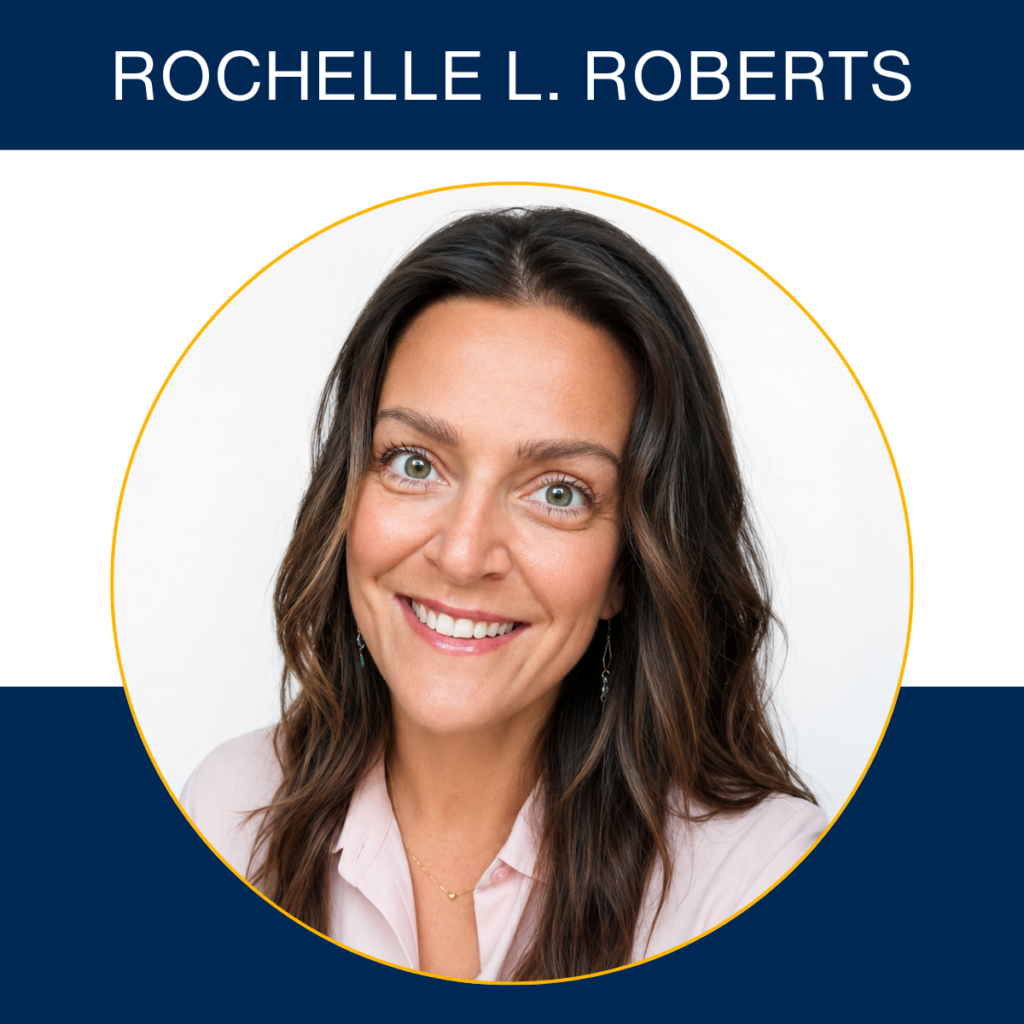
Rochelle L. Roberts
State Dementia Director, Tennessee Department of Health Services, Office of Healthy Aging
In recognition of Alzheimer’s & Brain Awareness Month, NACDD is proud to highlight Rochelle L. Roberts, whose leadership in Tennessee reflects both innovation and deep commitment to the communities she serves.
Rochelle’s path into public health was shaped by a simple but powerful observation: the gap between what people need and how difficult it can be to find it.
With more than a decade of public health experience — including environmental health, STD surveillance, and managing chronic diseases — she leads statewide dementia and brain health strategies that integrate research, policy, and community engagement to deliver sustainable impact. Recognized for bridging silos and navigating bipartisan environments, she develops collaborative frameworks that endure beyond funding cycles.
What inspired you to work in this area of public health/chronic disease prevention?
I was inspired by the gap between what people needed and how hard it could be to find it. Environmental health taught me that place matters. STD prevention taught me how stigma creates barriers. Chronic disease prevention showed me that prevention depends on timing, access, awareness, and support. Dementia brought those lessons together. I came to this work because I care about making prevention and support easier to understand, easier to find, and available before people feel exhausted, overwhelmed, or alone.
How does your work make a difference for people or communities you serve?
My work helps turn confusion into connection. For families, that may mean clearer information, earlier support, or knowing where to turn next. For providers, it means stronger training and confidence. For communities, it means better support for people living with dementia and the caregivers walking beside them. It is also about helping people live well, age well, and understand how prevention, brain health, and chronic disease are connected.
What is one priority or focus area you’re currently working on?
One priority is the next iteration of Tennessee’s Alzheimer’s Disease and Related Dementias State Plan. On paper, it is a three-year framework. In practice, it is where we decide what we will center around, what we will keep building, and how we will move together. For me, it is more than updating a plan. It is listening well, bringing people together, and making sure the work reflects what families and communities actually need.
What is one accomplishment or initiative you’re especially proud of in your current role?
I am proud of both the work and the people behind Tennessee’s Multi-Sector Plan for Aging Data Dashboard V2. It connects older adult data with caregiver stories, helping turn patterns, gaps, and needs into action. I am proud of the relationships behind the work; I continue to learn from partners, other BOLD recipients, providers, caregivers, community members, and state agencies. They remind me that meaningful change grows through trust, shared purpose, and people who keep showing up.
What motivates you to continue this work?
Caregivers motivate me. Since February, three of my friends who were caregivers have lost their person to dementia. I lost my great-grandmother to dementia. You can understand caregiver burden and grief on paper, but it changes when you know it up close. When you see exhaustion, love, guilt, confusion, and loss, it becomes impossible to look away. Aging is the universal tie between each of us. If we are fortunate, we will all grow older. That means this work is not just about dementia today. It is about the kind of support, dignity, and connection we are building for tomorrow.
What’s one thing that others might not realize about the impact of your field?
People often hear “dementia” and picture diagnosis, decline, and loss. But dementia-focused public health starts much earlier. It is the brain health message that helps someone make a small change. It is the caregiver who gets support before burning out. It is the provider who feels better prepared to discuss cognitive decline. It is the community that knows how to respond when someone is confused, wandering, or scared. This work is about helping people live better before, during, and after dementia touches their life.
Any advice for new public health professionals?
Stay curious, especially when the work feels unfamiliar. Take the class. Join the GEAR Groups [NACDD’s peer-to-peer, case-based, action learning opportunities for state chronic disease practitioners]. Ask the question. You do not have to be an expert to belong in the conversation. We talk about building new neural pathways for brain health, but our programs need that same kind of stretching. To increase access, we have to stay responsive and willing to try new ways of reaching people. That is how good ideas turn into real momentum.
Through her leadership, Rochelle continues to advance a more connected, compassionate, and proactive approach to brain health — one that supports individuals, families, and communities every step of the way.
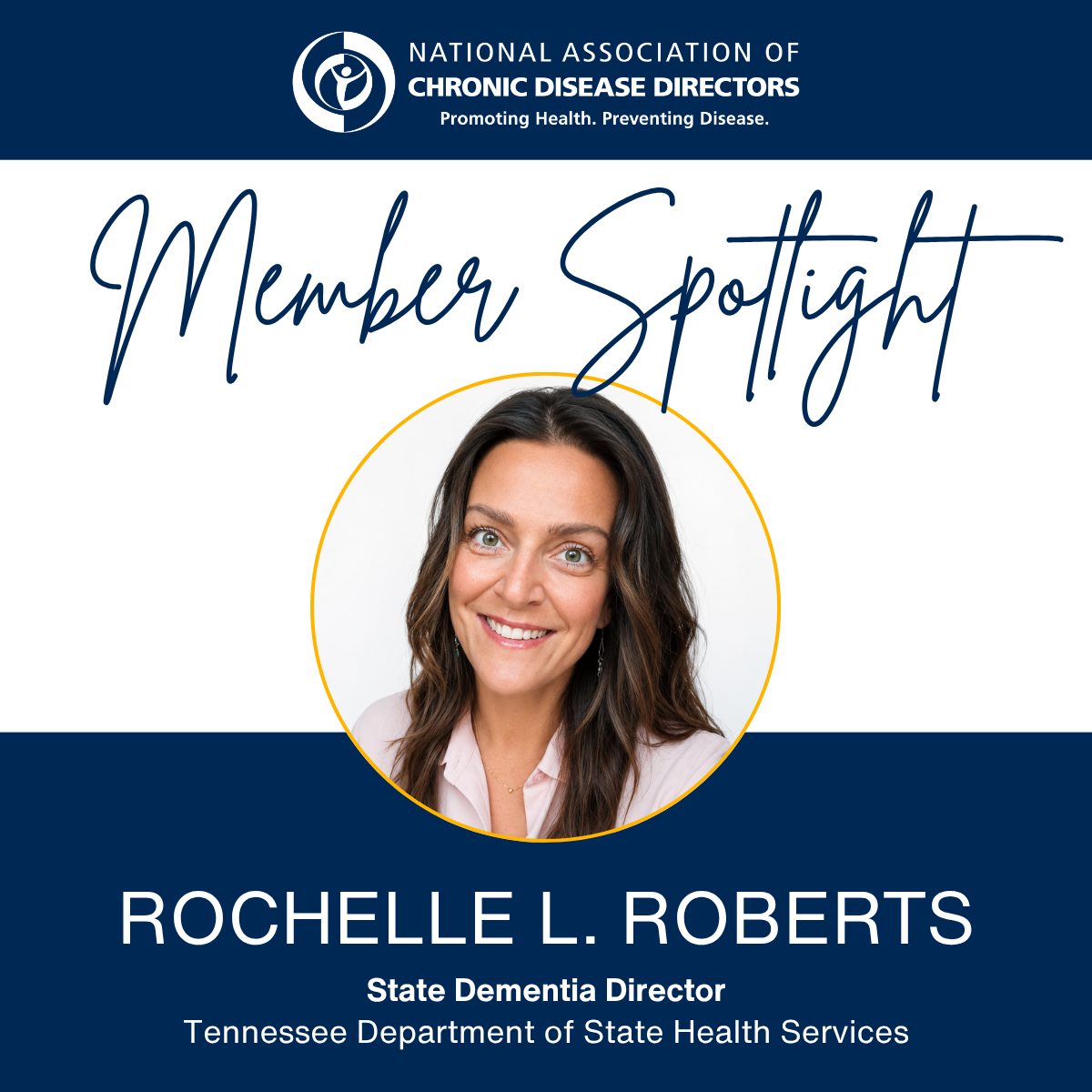
NACDD Member Spotlight: Rochelle L. Roberts
State Dementia Director, Tennessee Department of State Health Services | Office of Healthy Aging
In recognition of Alzheimer’s & Brain Awareness Month, NACDD is proud to highlight Rochelle L. Roberts, whose leadership in Tennessee reflects both innovation and deep commitment to the communities she serves.
Rochelle’s path into public health was shaped by a simple but powerful observation: the gap between what people need and how difficult it can be to find it.
With more than a decade of public health experience— including environmental health, STD surveillance, and managing chronic diseases— she leads statewide dementia and brain health strategies that integrate research, policy, and community engagement to deliver sustainable impact. Recognized for bridging silos and navigating bipartisan environments, she develops collaborative frameworks that endure beyond funding cycles.